Below are some frequently asked questions about Nursing Home Abuse:
What actions should I take if my loved one suffers from the effects of neglect in a nursing home in New York, such as bedsores, malnutrition, dehydration, or serious infections?
To report signs of abuse or neglect in a nursing home, begin by gathering evidence. Include statements from the victim and witnesses, photos of injuries, the victim’s financial statements, and incident reports. Once you have the evidence, file a complaint with the appropriate organization, including:
- The online Department of Health Nursing Home Complaint Form
- The Nursing Home Complaint Dedicated Hotline at 1-888-201-4563
Staff who witness abuse can also use the Health Commerce System to submit the Incident Reporting Form. The Centralized Complaint Intake Unit will investigate all complaints, including interviewing patients, family members, and nursing home staff. A nursing home abuse lawyer from The Harrison Law Group, P.C. can help you submit the appropriate forms and evidence.

- Free Consultation
- A proven record of strong case results
- Personal attention to every client
- No upfront costs to get started
What can family members do to keep track of and protect their loved one’s finances while in a nursing home, and what steps should someone take if they suspect financial abuse?
Some nursing home staff members may take advantage of their access to your loved one’s finances. They may forge signatures, steal cash or personal property, or cash checks without a patient’s knowledge or permission. Additionally, discovering financial abuse is more difficult now with so many technological solutions to finance management.
Family members must monitor bank accounts, pension funds, personal property, wills, trusts, stocks, and real estate holdings.
- Dedicated to protecting your rights
- Focused on getting you fair compensation
- Millions recovered for injured clients
- Experienced in dealing with insurance companies
What steps can I take to identify whether my loved one’s behavioral changes since entering a nursing home are signs of psychological or emotional abuse?
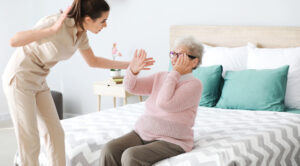
Behavioral changes that may indicate mental or emotional abuse include loss of self-esteem, avoiding eye contact, and increased anxiety. “Shrinking” to avoid the attention of an abuser is a common threat response among those who have suffered psychological or emotional abuse.
Abusers commonly use verbal abuse, intimidation, isolation, and humiliation to abuse elderly nursing home residents. These don’t leave visible signs, so you need to look for changes in behavior and mood.
When you need a Long Island nursing home abuse attorney for your loved one, turn to The Harrison Law Group, P.C. Our nursing home abuse firm has years of experience representing nursing home patients and their families. Call us today or complete our online contact form to schedule a free case consultation and strategy session.